Identify Interest
Pick one activity you naturally enjoy—such as history, walking, or crafts.
Why authentic belonging, low-pressure shared routines, and supportive networks deserve equal standing alongside nutrition and physical fitness.
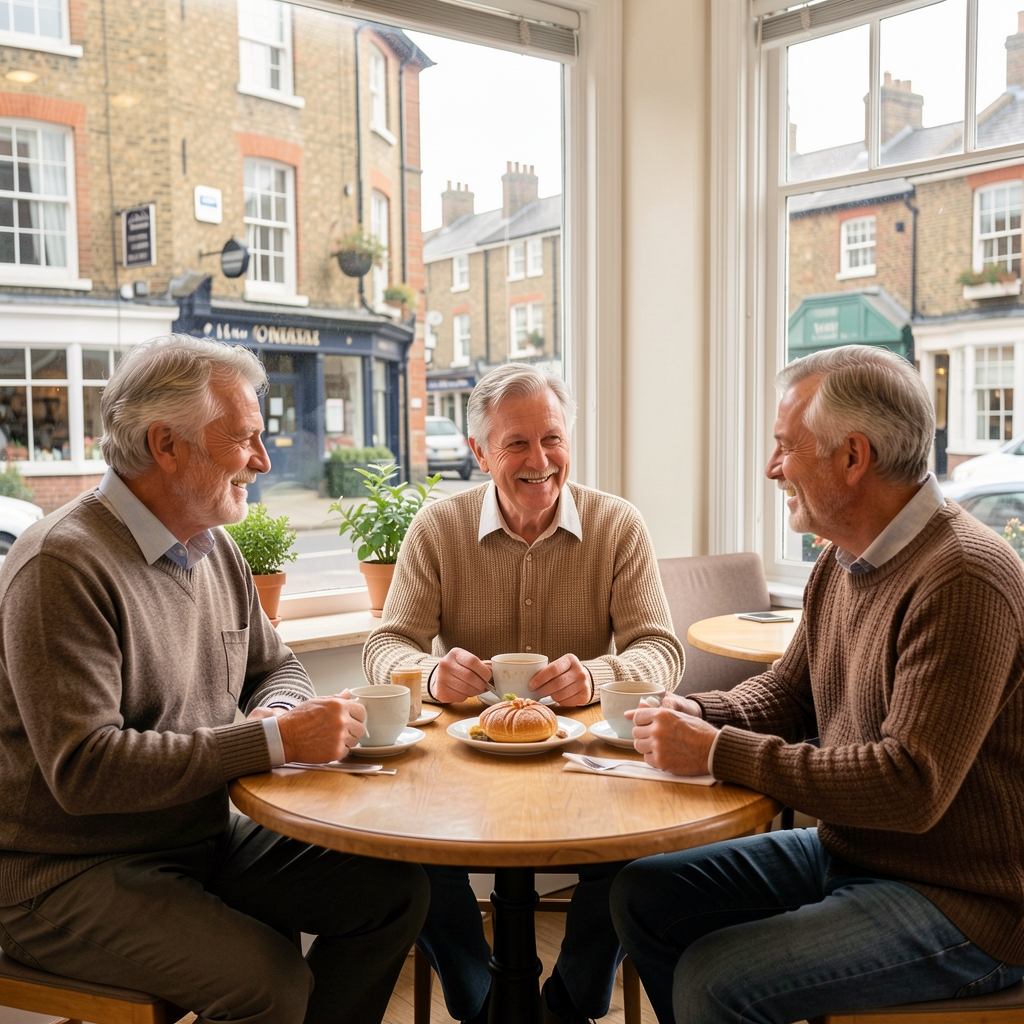
When planning midlife health, public conversations typically revolve around gym routines and micronutrients. Yet extensive epidemiological research demonstrates that social connection—having people to laugh with, share meals with, or call during a crisis—exerts an equally profound influence on cardiovascular health, immune function, and cognitive longevity.
The decades after 40 often bring profound structural changes: children leaving home, career pivots, retirement transitions, caring for elderly relatives, or geographical relocation. These shifts can quietly disrupt long-standing social networks. Acknowledging these transitions without self-blame is an essential first step toward cultivating fresh, reciprocal relationships.
Social bonds trigger the release of oxytocin and endorphins, buffering against excessive cortisol production and dampening systemic inflammatory responses. Conversely, persistent loneliness stimulates chronic sympathetic nervous system arousal, negatively impacting blood pressure and sleep quality.
Rebuilding connection does not require grand social commitments. Joining a local walking group, volunteering at a community garden, attending library book clubs, or establishing a weekly phone check-in with a trusted friend provides supportive rhythm without overwhelming energy capacity.
“Connection is rarely built in single grand gestures; it is forged through small, repeated moments of shared attention.”
| Format | Distinct Value | Ideal Circumstance |
|---|---|---|
| One-to-One Conversations | Deep vulnerability, focused listening, emotional safety | Close friendships, family bonds, intimate partnerships |
| Activity-Based Groups | Shared purpose, low pressure to carry conversation, movement | Walking groups, gardening clubs, choir, creative workshops |
| Neighbourhood Ties | Sense of safety, local belonging, practical mutual aid | Local community centres, allotment associations, parish groups |
| Digital Connections | Continuity across distance, flexible scheduling | Staying connected with geographically distant loved ones |
Pick one activity you naturally enjoy—such as history, walking, or crafts.
Attend a local recurring group a few times without expecting instant best friends.
Ask thoughtful questions and let shared experiences unfold naturally.
Maintain quiet boundaries and alone time so socialising remains life-giving.
How physical habits, emotional health, and environment come together in midlife.
Read article →How discussing emotional and social wellbeing supports comprehensive healthcare.
Read article →